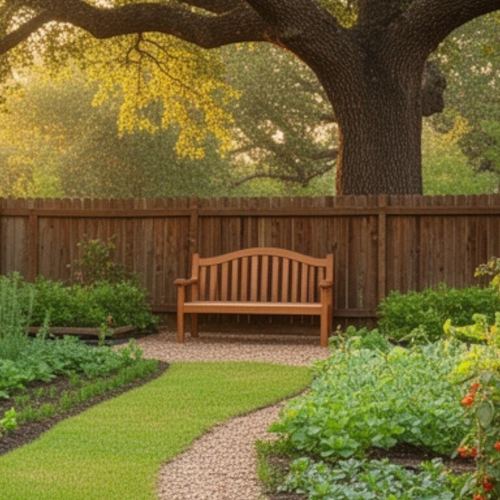
Organic Garden Pruning For A Thriving Oasis
April 15, 2026
Maintaining a vibrant, organic landscape, requires more than just good soil and water; it demands a strategic approach to plant maintenance. Understanding the specific organic garden pruning requirements and methods is essential for any gardener looking to foster a resilient ecosystem. Unlike conventional gardening, where synthetic quick fixes might mask poor plant health, pruning for an organic garden focuses on the long-term vitality of the plant and its surrounding environment.
The Fundamental Role Of Pruning
In an organic system, every cut you make should serve a purpose. Pruning is not merely an aesthetic choice; it is a vital practice that manages plant health by improving airflow and light penetration. Increased circulation reduces the damp, stagnant conditions, where fungal diseases like powdery mildew thrive.
When you remove dead or diseased wood, you are effectively performing garden surgery, preventing the spread of pathogens without the need for synthetic fungicides. Furthermore, strategic cuts encourage the plant to direct its energy toward fruit production or stronger structural growth, ensuring that your garden remains productive and beautiful year after year.
Essential Tools For The Organic Gardener
Before you head into the yard, you must ensure your toolkit is up to the task. High quality tools make cleaner cuts, which heal faster and minimize stress on the plant.
- Bypass Pruners: These work like scissors, with two blades passing each other. They are ideal for living tissue because they make clean, precise cuts without crushing the stems.
- Pruning Saws: For branches thicker than a half inch, a dedicated pruning saw is necessary. Most are designed to cut on the pull stroke, giving you more control in tight spaces.
- Loppers: These are essentially large pruners with long handles, providing the leverage needed for medium sized branches.
- Tool Sanitation: In an organic garden, hygiene is paramount. Always disinfect your blades with isopropyl alcohol or a weak vinegar solution between plants to avoid cross-contaminating your patients.
When To Prune: Timing Is Everything
Timing is perhaps the most critical aspect of pruning an organic garden. Pruning at the wrong time can invite pests or lead to a flush of soft growth that is easily damaged by frost.
- Dormant Season (Late Winter): This is the gold standard for most deciduous trees and shrubs. Because the plant is dormant, the stress is minimal, and the absence of leaves allows you to see the skeletal structure clearly.
- Post Bloom: For spring flowering shrubs like lilacs or forsythia, prune immediately after the flowers fade. If you prune these in winter, you’ll be cutting off the upcoming season’s blooms.
- The Four D’s: You can (and should) prune wood that is Dead, Damaged, Diseased, or Dying, at any time of year. Removing these immediately is a proactive way to maintain organic garden health.
Step-By-Step Methods For Success
To master pruning, one must learn the heading and thinning cuts. A thinning cut removes an entire branch back to its point of origin. This is the preferred method for opening up the center of a shrub to let in light. A heading cut involves cutting a branch back to a bud, which encourages denser, bushier growth.
When making a cut, always look for the branch collar (the slightly swollen area where a branch meets the trunk). You want to cut just outside this collar. This allows the plant to naturally wall off the wound using its own internal chemistry, a process called CODIT (Compartmentalization of Decay in Trees). In an organic garden, we rely on the plant's natural immune system rather than pruning paints, which can actually trap moisture and promote rot.
Sustainable Waste Management
A key difference in organic garden pruning is what happens after the cut. In a conventional setup, debris might be hauled to a landfill. In an organic garden, these trimmings are valuable resources.
Small, healthy branches can be chipped into mulch to suppress weeds and retain soil moisture. If you have a larger property, consider creating a dead hedge or a brush pile in a quiet corner. These provide essential habitats for beneficial insects and birds, which in turn act as your garden’s natural pest control department. By keeping the organic matter on site, you are closing the nutrient loop and building a truly sustainable landscape.
The One Third Rule
A final tip for pruning is the one third rule: never remove more than one third of a plant's total mass in a single season. Over pruning can put a plant into shock, causing it to send out water sprouts (weak, vertical shoots that are highly susceptible to aphids and other pests). Slow and steady wins the race; if a plant is severely overgrown, plan to rejuvenate it over two or three years rather than hacking it back all at once.
Organic Gardening Guide
Grow organic food at home. Step-by-step preparation, cultivation, and harvesting guide. Don't leave your food security to chance. Learn how to transform your backyard into a high-yield organic oasis.
Get Your Copy Today!