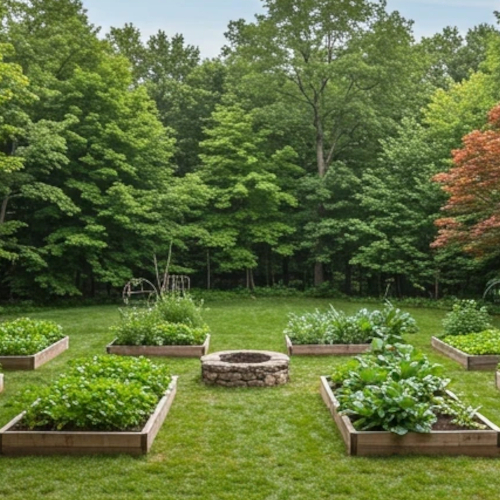
The Integrated Synergy Of Horticulture And Fungiculture
April 22, 2026
The pursuit of cultivating life from the earth is an ancient endeavor that has evolved into two distinct but deeply intertwined disciplines: horticulture and fungiculture. While horticulture focuses on the art and science of growing plants — ranging from ornamental flowers to essential food crops — fungiculture is the specialized practice of cultivating fungi. Understanding the nuances of both is essential for any modern grower looking to create a resilient and productive ecosystem. By mastering the cultivation of plants (horticulture) and mushrooms (fungiculture), individuals can unlock a symbiotic relationship that enhances soil health, increases yields, and promotes a more sustainable way of living.
The Foundation Of Horticulture: Nurturing Plant Life
Horticulture is more than just large scale agriculture; it is the intensive cultivation of plants for food, medicine, and aesthetic beauty. It requires a deep understanding of plant physiology, soil chemistry, and environmental factors. Whether you are tending to a backyard vegetable patch or a climate controlled greenhouse, the goal remains the same: to optimize the environment so that the plant can reach its full genetic potential.
One of the most critical aspects of horticulture is soil management. Plants rely on a complex web of minerals and organic matter to thrive. However, even the best fertilizers can sometimes fall short if the soil biology is stagnant. This is where the cultivation of plants (horticulture) and mushrooms (fungiculture) begins to overlap. In a healthy garden, plants do not grow in isolation; they exist in a community that includes beneficial insects, bacteria, and, most importantly, fungi.
The Science Of Fungiculture: Growing The Hidden Kingdom
Fungiculture, while often grouped with gardening, is a fundamentally different process. Unlike plants, mushrooms do not use photosynthesis to create energy. Instead, they are saprotrophic, meaning they break down organic matter — such as wood, straw, or compost — to obtain nutrients. This makes them the master recyclers of the natural world.
The process of growing mushrooms involves several stages: inoculation, where spores or mycelium are introduced to a substrate; colonization, where the roots of the fungus (mycelium) spread through the material; and finally, fruiting, where the actual mushrooms emerge. For those interested in the cultivation of plants (horticulture) and mushrooms (fungiculture), fungi offer a unique advantage: they can be grown in vertical spaces or dark corners where plants would perish, making them an excellent addition to any small scale farm.
Synergistic Cultivation: A Holistic Approach
When a grower integrates these two practices, the results are often greater than the sum of their parts. This is most evident in the use of mycorrhizal fungi. These specialized fungi form a symbiotic relationship with plant roots, extending their reach to absorb water and phosphorus that the plant could not access on its own. In exchange, the plant provides the fungi with sugars produced through photosynthesis.
Furthermore, the spent substrate from mushroom cultivation (sometimes called 'spent mushroom compost') is a goldmine for horticulturalists. After the mushrooms have finished fruiting, the remaining material is rich in broken down organic matter and beneficial microbes. Adding this to garden beds improves soil structure and water retention. By focusing on the dual cultivation of plants (horticulture) and mushrooms (fungiculture), a grower creates a closed-loop system where waste from one process becomes the fuel for the other.
Practical Tips For The Integrated Grower
To begin your journey into integrated cultivation, start by choosing compatible species. For horticulture, hardy vegetables like kale, tomatoes, and herbs, are excellent entry points. For fungiculture, Oyster mushrooms (Pleurotus ostreatus) or Wine Cap mushrooms (Stropharia rugosoannulata) are ideal for beginners because they are aggressive colonizers and can be grown on simple materials like straw or wood chips.
Wine Caps can be planted directly into the mulch of your garden. As they grow, they break down the mulch into rich soil, suppress weeds, and eventually pop up as delicious edible mushrooms. This living mulch technique is a prime example of how the cultivation of plants and mushrooms can coexist in the same physical space, maximizing efficiency and ecological health.
The Future Of Home Cultivation
As we move toward a future where food security and environmental impact are increasingly important, the integration of these two fields offers a path forward. Horticulture and fungiculture provides us with the nutritional and medicinal properties of fresh produce. Together, they form a complete nutritional, medicinal, and ecological package.
Whether you are a hobbyist or a professional, embracing the cultivation of plants and mushrooms allows you to participate in the natural cycles of growth and decay that sustain our planet. By nurturing both the green world above and the fungal world below, you are not just growing food; you are building an ecosystem.
Organic Gardening Guide
Grow organic food at home. Step-by-step preparation, cultivation, and harvesting guide. Don't leave your food security to chance. Learn how to transform your backyard into a high-yield organic oasis.
Get Your Copy Today!