Sunlight Requirements For A Garden
April 03, 2026
Understanding the sunlight requirements for a garden is the difference between a flourishing outdoor sanctuary and a frustrating patch of wilted stems. Light is the primary fuel for photosynthesis — the biological engine that powers plant growth. Without the correct balance of rays, even the best organic fertilizers and diligent watering schedules won't save your harvest.
The Spectrum Of Sun: Defining Light Categories
Before you pick up a shovel, you must observe how light moves across your landscape. Most gardeners categorize their plots into four distinct light levels. Mapping these areas is the first step in mastering the sunlight requirements for a garden.
Full Sun
This refers to areas that receive 6 to 8 hours of direct, unfiltered sunlight per day. It is the gold standard for most vegetables and flowering perennials. However, 'full sun' in the cool climate of Vermont is very different from 'full sun' in the scorching heat of Arizona.
Partial Sun And Partial Shade
These terms are often used interchangeably, but there is a subtle nuance:
- Partial Sun: Plants need 4-6 hours of sun to thrive. These species are generally tougher and can handle the intense midday heat.
- Partial Shade: Plants also need 4-6 hours of sun but prefer protection from the harsh afternoon rays, thriving best in morning light.
Dappled Sun
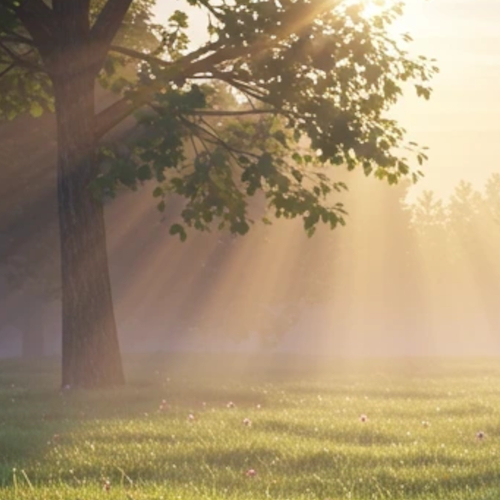
Commonly found under the canopy of deciduous trees, dappled sun is filtered light that shifts throughout the day. It provides a soft, consistent energy source without the risk of leaf scorch.
Calculating Your Garden’s Light Profile
To accurately meet the sunlight requirements for a garden, you shouldn't rely on a single glance out the window at noon. Light changes drastically with the seasons. A spot that is bathed in light during the summer solstice might be shrouded in deep shadow by October.
Using A Sun Map
The most effective way to track light is to create a DIY sun map. On a sunny day, draw a rough sketch of your yard and check the light levels every two hours, starting at 8:00 AM and ending at 6:00 PM. Note which areas are in total sun, filtered light, or deep shade.
The Impact Of Obstructions
Remember that fences, neighboring houses, and evergreen trees are permanent shadows. Deciduous trees, however, are seasonal shadows. They allow for a spring window where early blooming bulbs can soak up the sun before the leaves fill in.
Matching Plants To Light Levels
Once you have mapped your yard, you can begin selecting varieties that match the specific sunlight requirements for a garden space.
Generally, the recommended light for plants is:
- Full sun (8+ hours) for fruit bearing vegetables, such as tomatoes, peppers, and melons.
- Partial sun (4-6 hours) for root vegetables, such as carrots, beets, and radishes.
- Partial shade (3-4 hours) for leafy greens, such as spinach, kale, and lettuce.
- Dappled / full shade for woodland flowers, such as hostas, bleeding hearts, and ferns.
If you try to grow sun-loving tomatoes in a shaded corner, the plant will become 'leggy' — stretching its stems toward the light — resulting in weak structures and little to no fruit production. Conversely, shade loving hostas will suffer from sunburn, manifesting as bleached, crispy patches on their lush leaves.
Advanced Light Strategies: Microclimates And Reflectors
Sometimes, your yard doesn't naturally meet the sunlight requirements for a garden you desperately want. In these cases, you can use garden hacking techniques to manipulate the environment.
- Reflective Mulches: Using light-colored pebbles or specialized reflective films can bounce sunlight back up into the undersides of leaves, boosting growth in slightly shaded spots.
- The Power Of White Walls: Planting near a white painted fence or building wall can increase the light intensity by several degrees, often creating a microclimate that stays warmer and brighter than the rest of the yard.
- Pruning For Light: Sometimes, the solution is as simple as thinning the skirt of a large tree. By removing the lower branches, you can transition an area from deep shade to partial sun.
Signs Of Light Stress
Your plants are the best indicators of whether you are meeting the sunlight requirements for a garden.
- Too Little Light: Yellowing lower leaves, failure to bloom, stretching toward the light, and increased susceptibility to pests like aphids.
- Too Much Light: Faded or bleached foliage, brown crispy edges, and wilting even when the soil is moist.
By paying close attention to these signals, you can transplant your greenery to a more suitable location before permanent damage occurs. Gardening is a continuous experiment, and moving a plant a mere five feet can sometimes be the difference between a lingering death and a vibrant explosion of growth.
Organic Gardening Guide
Grow organic food at home. Step-by-step preparation, cultivation, and harvesting guide. Don't leave your food security to chance. Learn how to transform your backyard into a high-yield organic oasis.
Get Your Copy Today!