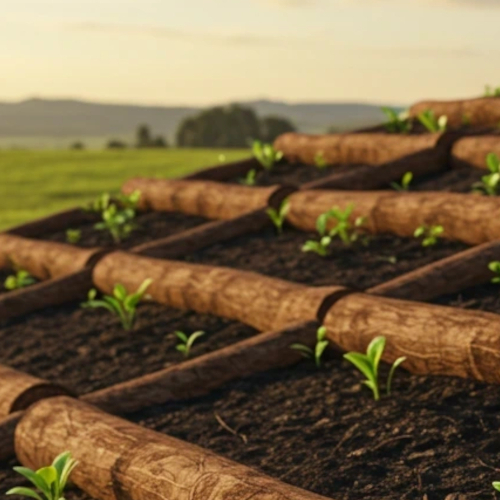
Selecting The Best Organic Growing Media
April 08, 2026
For anyone looking to cultivate a thriving indoor or outdoor garden, the foundation of success lies beneath the surface. Choosing the right organic growing media is not just about providing a place for roots to anchor; it is about creating a living ecosystem that manages air, water, and nutrients, in perfect harmony. Whether you are nurturing heirloom tomatoes or cultivating gourmet lion’s mane, the choice between soil, soilless substrates, or even liquid environments, will dictate your yield and plant health.
Organic Growing Media: Air, Water, Soil, And Substrate
The term 'growing media' refers to any material used to support the growth of plants or fungi. In organic systems, we primarily focus on how these media interact with microbial life.
Air: The Aeroponic Frontier
In aeroponics, plants grow with their roots suspended in the air, frequently misted with nutrient-rich water. This provides the highest possible level of oxygen, leading to rapid growth, but it requires precise methods to ensure the roots never dry out.
Water: The Lifeblood (Hydroponics & Aquaponics)
While we usually think of growing media as solid, water acts as the primary medium in hydroponic systems. In an organic context, this involves using 'bioponics' or organic liquid nutrients. Here, the challenge is maintaining oxygen levels, as water alone can easily become anaerobic.
Soil: The Traditional Powerhouse
Soil is a complex mixture of minerals, organic matter, gases, liquids, and organisms. For organic gardeners, soil is the gold standard because it contains a natural bank of nutrients, and a diverse microbiome. However, it can be heavy and may harbor soil-borne pathogens if not properly managed.
Substrate: The Customizable Alternative
A substrate is technically anything a plant or fungus grows on or in. In modern organic gardening, this often refers to soil-less mixes. Common components include:
- Coconut Coir: A sustainable byproduct of the coconut industry that excels at water retention.
- Peat Moss: Known for its high cation exchange capacity (CEC), helping plants absorb nutrients.
- Perlite & Vermiculite: Volcanic glass and mineral silicates that provide essential aeration.
Mushroom Cultivation: Specialized Substrates
Unlike plants, mushrooms do not photosynthesize; they 'eat' their organic growing media. This makes the choice of substrate even more critical for fungi.
- Hardwood Sawdust/Logs: Ideal for wood-decaying fungi like Shiitake and Reishi.
- Pasteurized Straw: A favorite for Oyster mushrooms due to its high cellulose content.
- Compost & Manure: Essential for button mushrooms and Portobellos, providing the nitrogen-rich environment they crave.
Properly prepared mushroom substrates must be pasteurized or sterilized to remove pathogenic microbes, while leaving a clean slate for the mushroom mycelium to take over.
Optimizing Air And Water Balance
One of the most common mistakes in organic gardening is over-watering, which collapses the pore space in your organic growing media. Roots and mycelium need to breathe.
- Pore Space: High quality media should consist of 60-80% pore space. Following irrigation, about 10-30% of that space should be filled with air.
- Drainage: The height of your container affects drainage. Taller containers drain more effectively due to gravity, while shallow plug trays are more prone to waterlogging.
Sustainability In Media Selection
As organic growers, our impact on the environment matters. While peat moss is an excellent organic growing media, its harvest can be carbon intensive. Many modern growers are switching to coconut coir or compost to reduce their garden footprint.
By understanding the physical and chemical properties of your chosen medium, you can ensure your plants and mushrooms have the oxygen, moisture, and structural support, that they need to reach their full genetic potential.
Organic Gardening Guide
Grow organic food at home. Step-by-step preparation, cultivation, and harvesting guide. Don't leave your food security to chance. Learn how to transform your backyard into a high-yield organic oasis.
Get Your Copy Today!