Mastering The pH Requirements Of An Organic Backyard Garden
April 09, 2026
Achieving the perfect harvest isn’t just about sunlight and water; it is about the invisible chemistry happening beneath the surface. For any gardener, understanding the pH requirements of an organic backyard garden is the difference between a struggling patch of yellowed leaves and a lush, nutrient dense sanctuary. Potential of Hydrogen (pH) is a scale from 0 to 14 that measures how acidic or alkaline something is. In an organic garden, where we rely on biology rather than synthetic fixes, this balance is the heartbeat of the ecosystem.
Why pH Matters For Organic Gardening
In a conventional garden, heavy synthetic fertilizers can sometimes force feed plants. However, in an organic backyard garden, we rely on soil microorganisms to break down organic matter into usable nutrients. These microbes are picky; if the soil is too acidic (low pH) or too alkaline (high pH), they simply stop working.
Furthermore, pH dictates nutrient availability. You could have the richest compost in the world, but if your soil pH is off, those nutrients become locked chemically, remaining out of reach for your plants’ roots. Most crops thrive in a slightly acidic to neutral range, typically between 5.0 and 7.0.
Testing Your Soil: The First Step
Before you add a single bag of soil amendment, you must know your starting point. You can’t manage what you don’t measure. When investigating the pH requirements of an organic backyard garden, start with a reliable testing kit.
- Electronic Meters: Provide instant readings but require frequent calibration.
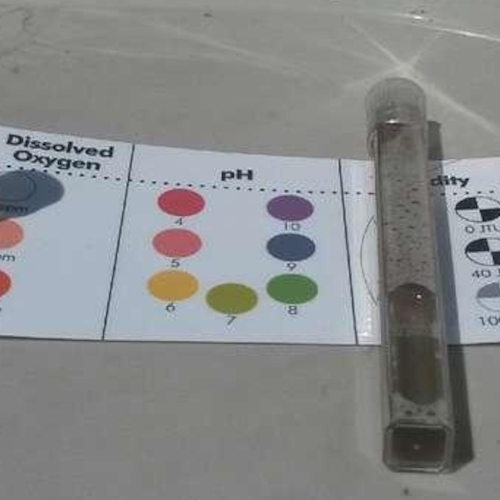
- Reagent Kits: Use color-changing liquids to indicate pH levels; these are generally very accurate for home use.
- Professional Lab Tests: The gold standard. They provide a detailed breakdown of pH and mineral content.
Keep an eye out for indicator plants. If you see blueberries or hydrangeas thriving with blue flowers, your soil is likely acidic. If your clematis is booming, you might be on the alkaline side.
Adjusting pH The Organic Way
Once you have your results, you may find your soil is outside the ideal pH requirements of an organic backyard garden. Unlike other methods of farming, which may involve the use of harsh sulfur or quick-lime, organic gardening focuses on slow, sustainable shifts.
Lowering pH (For Alkaline Soils)
If your soil is above 7.5, you may need to increase acidity.
- Elemental Sulfur: A natural mineral that soil bacteria slowly convert into sulfuric acid.
- Pine Needles And Leaf Mold: While their direct effect on pH is debated, they support an acidic environment over several seasons.
- Peat Moss: Highly acidic, though many organic gardeners prefer coconut coir for sustainability reasons.
Raising pH (For Acidic Soils)
If your soil is below 5.5, it’s likely too acidic for most veggies.
- Dolomitic Lime: Made from naturally occurring limestone, it adds calcium and magnesium while neutralizing acid.
- Wood Ash: A fast acting way to raise pH. Use it sparingly, as it is highly concentrated and can easily over correct the soil.
The Role Of Compost And Organic Matter
The beauty of organic gardening is that nature loves balance. Adding high quality compost is the most effective way to buffer the pH requirements of an organic backyard garden. Compost acts as a chemical sponge, helping to move extreme pH levels back toward the center of the scale.
Organic matter fosters a diverse microbiome. These fungi and bacteria create a rhizosphere (the area around roots) that can actually have a slightly different pH than the rest of the garden, tailored to the plant's specific needs. By feeding the soil, you allow the plants to regulate their own micro-environment.
Plant-Specific pH Preferences
Not every plant wants a 6.5. Part of mastering the pH requirements of an organic backyard garden is knowing when to segment your beds.
- Most vegetables (such as tomatoes, peppers, lettuce, and beans) prefer a pH of 6-7.
- Acid loving plants (such as blueberries, azaleas, and potatoes) prefer a pH of 4.5-5.5.
- Alkaline tolerant plants (such as asparagus, okra, and lavender) prefer a pH of 7-8.
If you have naturally alkaline soil, don't fight a losing battle trying to grow blueberries in the ground. Use raised beds or containers where you can control the environment strictly.
Long-Term Maintenance
Soil chemistry is not a set it and forget it task. Rainfall, the type of mulch you use, and the specific crops you grow will all shift the balance over time. To stay within the healthy pH requirements of an organic backyard garden, test your soil every two years.
Remember, the goal of an organic gardener is not to dominate the soil, but to steward it. By maintaining a balanced pH, you ensure that your organic inputs (such as compost and mulch) are actually doing the work you intended. Healthy soil leads to healthy crops, which leads to a healthy you.
Organic Gardening Guide
Grow organic food at home. Step-by-step preparation, cultivation, and harvesting guide. Don't leave your food security to chance. Learn how to transform your backyard into a high-yield organic oasis.
Get Your Copy Today!