Organic Garden Pollination: Boosting Your Yield Naturally
April 14, 2026
Welcome to the vibrant world of sustainable growing! If you’ve ever wondered why some of your tomato plants are overflowing with fruit while your squash blossoms simply wither and fall off, you’ve likely stumbled upon the fascinating (and sometimes finicky) world of organic garden pollination. Understanding how plants reproduce is the secret sauce to a bountiful harvest and a resilient ecosystem.
In this article, we will break down the mechanics of how plants reproduce, why your organic garden pollination strategy depends on more than just honeybees, and how you can design a landscape that practically does the work for you.
The Basics: Understanding Your Garden’s Love Life
Before we can master organic garden pollination, we need to understand the two main ways plants get the job done: self-pollination and cross-pollination.
Self-Pollination (The Introverts)
Some plants have a single flower that contains both male (stamen) and female (pistil) parts. These plants can often produce fruit without any help from outside visitors. Common examples include tomatoes, peppers, beans, and peas.
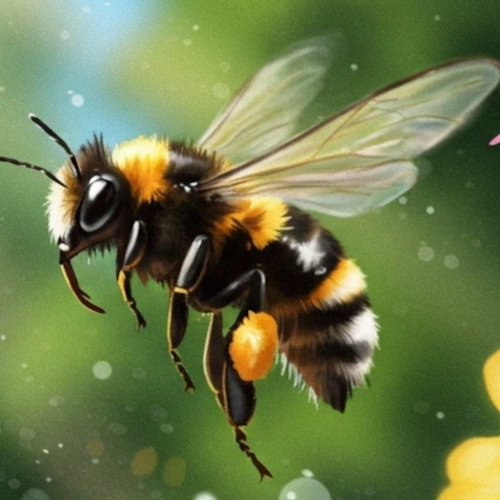
Even though these plants are self-fertile, they still benefit from a little buzz. In an organic garden, pollination for tomatoes is often improved by buzz pollination, where a bumblebee vibrates its wings at a specific frequency to shake the pollen loose.
Cross-Pollination (The Socialites)
Many of our favorite summer crops are dioecious or monoecious, meaning they have separate male and female flowers or require pollen from a different plant of the same species to set fruit. Without active intervention from wind, animals, or insects, these plants will fail to produce. These include:
- Apples and Pears (often require a different variety nearby)
- Squash, Pumpkins, and Cucumbers
- Corn (pollinated primarily by wind)
Meet The Workers: More Than Just Honeybees
When people think of organic garden pollination, the honeybee usually gets all the credit. While honeybees are fantastic workers, they are actually immigrants to North America. To create a truly robust organic system, you want to attract a diverse pollinator posse.
- Native Bees: Blue orchard bees, mason bees, and leafcutter bees, are often more efficient than honeybees. For example, a single mason bee can do the work of 100 honeybees!
- Butterflies And Moths: While less efficient at moving large volumes of pollen, they reach different flower shapes and handle night shift pollination for evening blooming plants.
- Hoverflies (Syrphid Flies): These are the unsung heroes. Not only do the adults assist in organic garden pollination, but their larvae are voracious eaters of aphids, providing built in pest control.
- Hummingbirds: These tiny dynamos are essential for tubular flowers like trumpet vine and salvias.
Pro-Tips To Enhance Your Organic Garden Pollination
To keep these workers coming back, your garden needs to be more than just a patch of produce; it needs to be a sanctuary. Here is how to optimize your organic garden pollination environment:
Plant In Drifts, Not Rows
Pollinators are efficiency experts. They prefer to find a large target, rather than searching for individual flowers. Instead of scattering one marigold here and there, plant them in clumps or drifts of at least three to five plants.
Provide A Pollinator Pub
Pollination is thirsty work. Place a shallow birdbath or a dish filled with pebbles and water in your garden. The pebbles give bees a safe place to land so they don’t drown while taking a drink.
Eliminate The Silent Killers
This is the organic part of organic garden pollination. Even organic certified pesticides like Spinosad or Neem oil can harm bees if applied incorrectly. Always spray in the late evening when pollinators are tucked away for the night, and avoid spraying open blossoms.
The Power Of Keystone Plants
Research shows that a small percentage of native plant species (keystone plants) support the vast majority of pollinator larvae. Including native oaks, goldenrods, or sunflowers, ensures that you are feeding the next generation of pollinators, not just the adults.
Practice Lazy Gardening
Don't be too quick to clean up in the fall. Many native bees nest in the hollow stems of old plants or burrow into leaf mulch. By leaving your garden a bit messy over winter, you ensure your organic garden pollination team survives to see the spring.
Troubleshooting: When Pollination Fails
If you see tiny fruits forming and then rotting (common in zucchini), or 'catfacing' on your tomatoes, your organic garden pollination might be lacking. In these cases, you can step in as a human bee. Use a small paintbrush to transfer yellow dust from the male squash blossom to the center of the female blossom (the one with the tiny fruit at the base).
By fostering a diverse, natural habitat, you’ll find that nature eventually takes the reins, leaving you with nothing to do but enjoy the harvest.
Organic Gardening Guide
Grow organic food at home. Step-by-step preparation, cultivation, and harvesting guide. Don't leave your food security to chance. Learn how to transform your backyard into a high-yield organic oasis.
Get Your Copy Today!